


Soy Lecithin in Fruit Preservation
The Application of Phospholipids (soy lecithin ) in Fruit Preservation
Soy Lecithin Powder (LeciPOW™Hy95) (deoiled soy lecithin) can be used in fruit preservation due to their excellent emulsifying, film-forming, and antioxidant properties. These characteristics help slow down moisture loss, reduce oxidative damage, and inhibit microbial growth, thereby extending the shelf life of fruits.
Functions of Phospholipids in Fruit Preservation
- Formation of Protective Film: Phospholipids can be combined with other substances (such as chitosan and gelatin) to create an edible thin film that reduces water evaporation, prevents oxygen penetration, and slows down fruit softening and decay.
- Antioxidant Effect: Phospholipids contain unsaturated fatty acids that can scavenge free radicals, reducing oxidative browning in fruits such as apples and bananas.
- Inhibition of Microbial Growth: When combined with antimicrobial agents (such as organic acids), phospholipids enhance bacterial and fungal inhibition, reducing fruit spoilage.
- Improvement of Surface Wettability: The emulsifying property of phospholipids allows preservation agents to evenly adhere to the fruit surface, improving the stability and uniformity of coatings.
Application Methods
- Coating Preservation: Phospholipids can be formulated with chitosan, Arabic gum, and other materials into an edible coating solution. Fruits are either sprayed or dipped into the solution to form a protective layer.
- Combination with Preservatives: Phospholipids can be mixed with antioxidants such as vitamin C and citric acid, or plant essential oils like thyme oil, to enhance preservation effects.
- Nanoemulsion Technology: By utilizing the emulsifying properties of phospholipids, nanoemulsions can be developed to improve the permeability and efficiency of active ingredients in fruit preservation.
Suitable Fruits
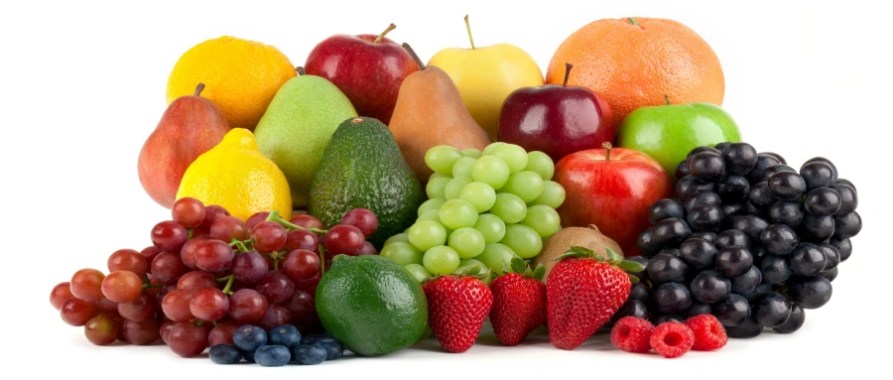
Lecithin-based preservation methods are suitable for berries (such as strawberries and blueberries), tropical fruits (such as bananas and mangoes), citrus fruits (such as oranges and lemons), apples, pears, and more
Precautions
- Only food-grade phospholipids should be used.
- Formulations should be optimized according to fruit type and storage conditions to avoid excessive coating that may affect taste.
New Developments in Lecithin-Based Fruit Preservation
Recent research has explored advanced formulations that combine phospholipids with nanotechnology, biodegradable films, and natural antimicrobial agents to improve efficacy. These innovations offer eco-friendly and effective solutions for extending fruit shelf life while maintaining freshness and quality.
Phospholipids are proving to be a valuable component in sustainable fruit preservation, making them a promising area for further study and commercial application.